
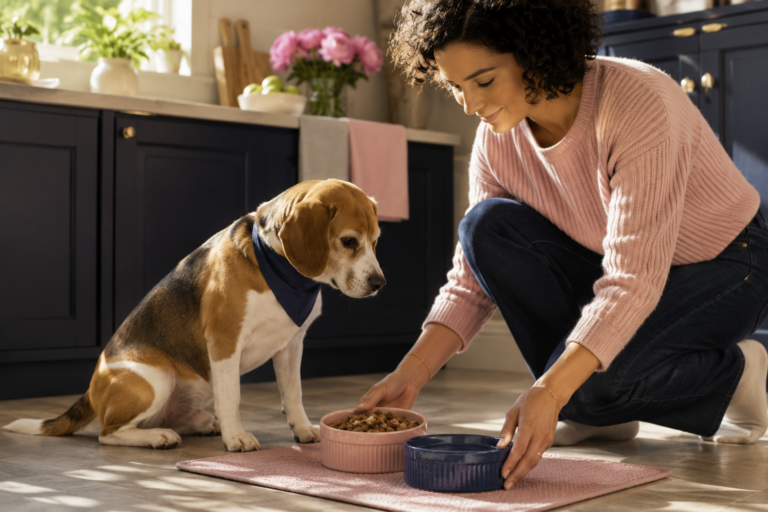
A feeding schedule does more than fill a bowl. It shapes energy, digestion, behavior, and household rhythm. Pets often feel calmer when meals arrive predictably. Owners also notice changes faster when routines stay consistent. A pet feeding routine can turn ordinary mealtime into a healthier ritual. It creates structure without making care complicated. Small details begin to matter. Portions become clearer. Treats become more intentional. The whole home feels more organized around daily care.
Predictability supports emotional security. Pets like knowing what comes next. This can reduce begging, pacing, and tension around the kitchen. A clear daily pet meal schedule helps owners create that rhythm. It also protects consistency when several people share care. Everyone knows when, where, and how much to feed. Pets receive fewer mixed signals. Owners feel less rushed. Better rhythm often improves behavior naturally.
The feeding space matters. Some pets need quiet corners. Others feel comfortable near family activity. Multi-pet homes may need separated spaces. Nervous pets may prefer less foot traffic. Bowls should suit size and comfort. Water should stay fresh. Messy areas should be cleaned regularly. Owners should watch how pets behave during meals. A better environment can reduce stress. Mealtime should feel safe, steady, and easy to repeat.
Measured feeding makes health easier to manage. Free-pouring food often hides extra calories. Treats can add more than owners realize. A practical pet portion tracking method helps families understand intake more clearly. It can also support conversations about weight, digestion, and activity. Owners should measure consistently before adjusting. Gradual changes protect comfort. Pets benefit from steadier nutrition. Portion awareness makes long-term health less mysterious.
Food can do more than provide calories. Puzzle feeders can slow fast eaters. Scatter feeding can engage natural instincts. Lick mats can support calm moments. Training rewards can reinforce good behavior. Owners should balance enrichment with total daily intake. Extra food still counts. Some pets need simple setups. Others love challenges. The goal is not to make every meal difficult. The goal is to make feeding more thoughtful and engaging.
Behavior and feeding often connect. Hunger can increase restlessness. Irregular meals can create anxiety. Food competition can cause tension. A steady calm feeding routine for pets can reduce some of that pressure. It helps pets understand when food arrives. It also helps owners identify behavior that is not hunger-related. Clear routines prevent accidental overfeeding. Pets learn patience more easily. Mealtime becomes less chaotic and more predictable.
Routines should bend without breaking. Travel, illness, schedule changes, and aging can affect feeding needs. Owners should adjust thoughtfully. Sudden changes can upset digestion or behavior. Slow transitions usually work better. Notes can help track what changes and why. Families should review routines after major shifts. A flexible system supports real life. Pets benefit when owners stay attentive. Healthy feeding rituals can remain steady even when the household changes.



Leave a comment