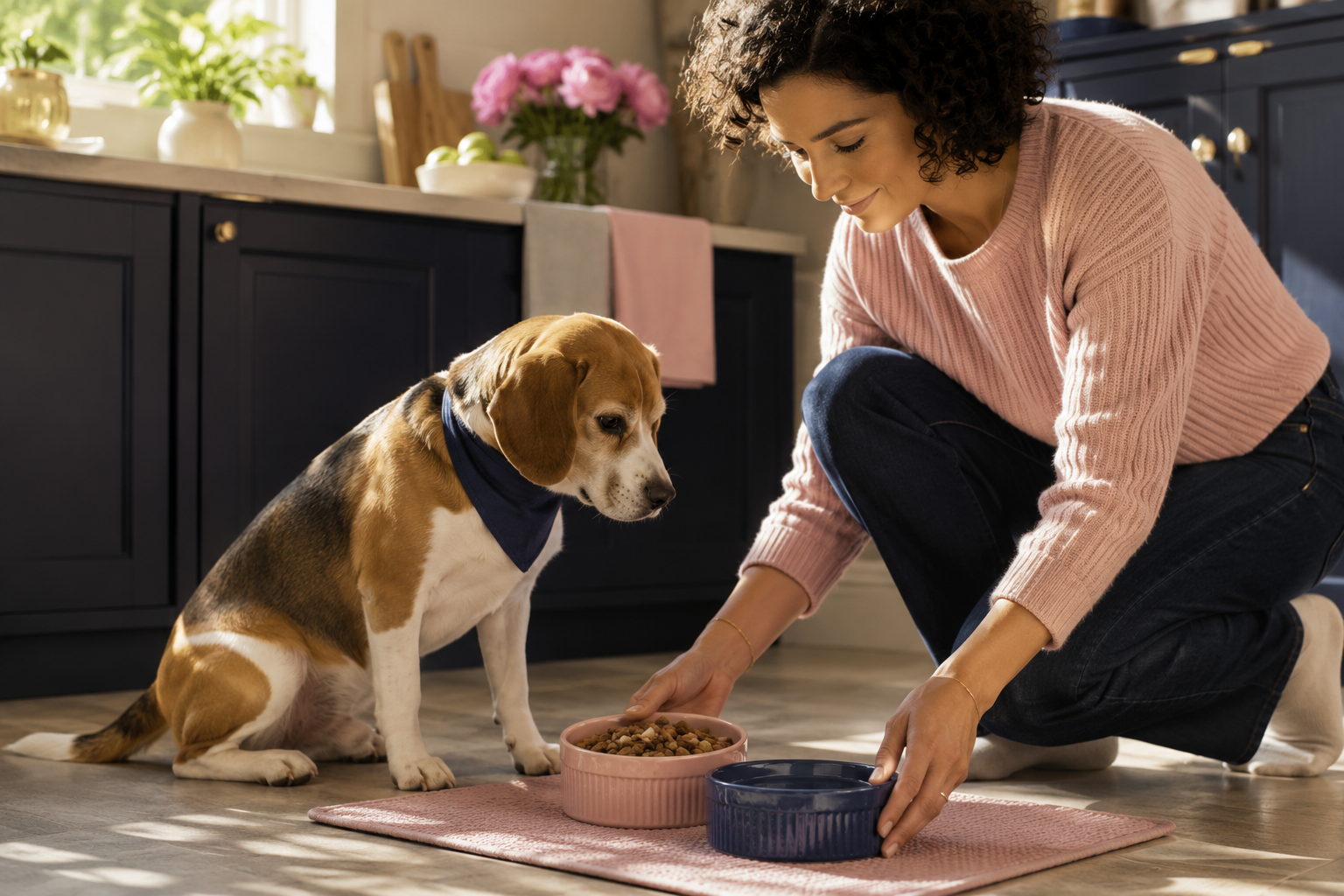
Dogs and cats share a home, but they do not share identical nutrition needs. Their bodies differ. Their habits differ. Their eating styles differ. One may graze slowly. Another may finish food in seconds. A dog and cat nutrition plan helps owners care for both without confusion. It creates separate structure inside one household. Better routines protect health, reduce tension, and make feeding easier to manage. Multi-pet nutrition works best when each animal stays visible.
Dogs and cats require different nutritional approaches. Cats have unique dietary needs as obligate carnivores. Dogs can thrive with broader food patterns, depending on health and lifestyle. A clear cat and dog feeding strategy helps owners avoid mixing assumptions. It also prevents one pet’s routine from shaping another’s care. Species-specific thinking protects comfort. It supports better portions. It also makes questions for professionals more precise. Good planning respects each animal’s body.
Food stealing is common in multi-pet homes. A dog may chase the cat’s bowl. A cat may nibble where it should not. These habits can distort portions and create stress. Separate feeding areas help. Timed meals may also work better than constant access. Elevated spaces can protect cat food. Supervision may be necessary at first. Owners should not assume stealing is harmless. Hidden calories can affect weight quickly. Clear boundaries keep meals fair.
Portion control gets harder when several pets live together. Owners may forget who ate what. Treats may multiply across family members. A practical multi-pet nutrition tracker can help organize meals, treats, and changes. It also makes weight management easier. Each pet deserves individual attention. Measuring bowls separately reduces confusion. Notes can reveal appetite changes. Families can respond sooner. Better tracking protects both dogs and cats from accidental imbalance.
Mealtime zones reduce competition. Some pets need doors between bowls. Others only need distance. Nervous eaters may need quieter rooms. Fast eaters may need slow feeders. Cats may prefer elevated or private spaces. Dogs may need clear waiting cues. Owners should watch stress signals carefully. A calm feeding zone can improve digestion and behavior. It also helps pets feel safer. Food should never become a daily contest.
Veterinary conversations improve when owners bring details. Appetite, portions, treats, weight, stool, energy, and behavior all matter. A structured pet wellness feeding system helps organize those observations. Professionals can give better advice when the information is clear. Owners also feel more prepared during appointments. They can describe changes instead of guessing. This is especially useful in multi-pet homes. Individual records prevent confusion. Better information supports better care.
A plan only works when people follow it. Multi-pet feeding should feel clear, not exhausting. Labels, measuring tools, reminders, and separate storage can help. Families should agree on treat rules. They should also review changes together. Simple routines prevent mistakes. Pets benefit from consistent care. Owners benefit from reduced stress. The best system feels practical every day. Calm nutrition is not about doing more. It is about doing the right things steadily.


Leave a comment