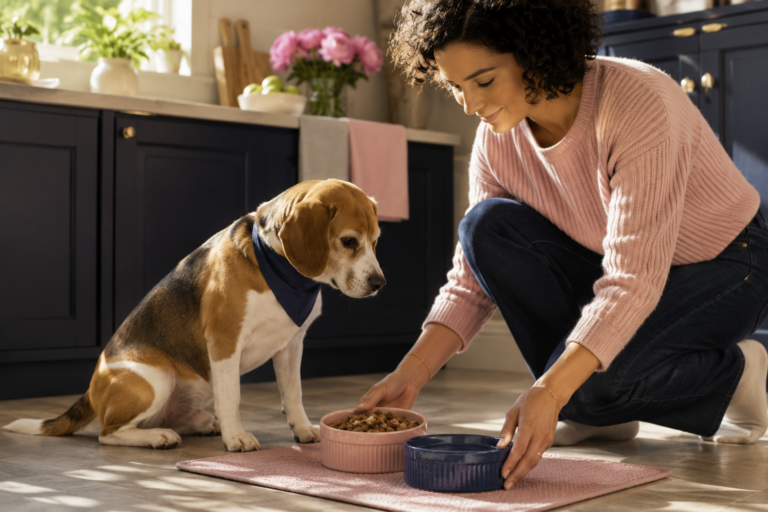
Feeding a pet can feel like the easiest part of care. Scoop the food. Fill the bowl. Offer fresh water. Move on with the day. Yet mindful pet feeding asks owners to notice more. Appetite, pace, weight, stool quality, energy, and mood all tell a story. Mealtime becomes a window into health. Better observation can prevent small issues from becoming bigger concerns. Pets thrive when feeding choices match their real needs.
Observation turns mealtime into useful information. A pet that eats too fast may need a slower setup. A pet that leaves food may need closer attention. Sudden appetite changes deserve careful review. A helpful pet nutrition planning system helps owners track these details. Patterns become easier to see. Owners can discuss changes more clearly with professionals. They can also avoid random food changes. Thoughtful observation builds confidence. It makes feeding feel intentional rather than automatic.
Portions affect energy, weight, digestion, and long-term comfort. Many owners rely on rough scoops. That habit can quietly overfeed or underfeed pets. Package directions offer a starting point, not a perfect answer. Age, size, activity, health, and treats matter. Owners should measure consistently. They should also review body condition regularly. Small adjustments can make a big difference. Portion awareness helps pets feel better. It also supports healthier routines over time.
Daily wellness depends on repetition. Good feeding choices compound quietly. A consistent healthy pet meal routine can support digestion, behavior, energy, and mood. Pets often relax when meals arrive predictably. Owners also notice changes faster when routines stay steady. This does not mean every day must look identical. It means the foundation should feel dependable. Predictability helps pets feel secure. Security can improve behavior around food. Wellness begins with daily rhythm.
Treats can support bonding and training. They can also distort nutrition if owners stop counting them. A few extras become many extras quickly. Smart treat habits keep joy and balance together. Owners should consider treat size, frequency, ingredients, and purpose. Training treats can be tiny. Comfort treats should not replace emotional support. Food puzzles can slow eating while adding enrichment. Treats work best when they serve a clear reason. Intention protects both health and happiness.
Multi-pet homes need extra structure. One pet may steal food. Another may eat too slowly. A third may guard the bowl. A thoughtful multi-pet feeding strategy helps owners protect each animal’s needs. Separate spaces can reduce tension. Measured portions can prevent hidden overeating. Supervised meals can reveal subtle behavior changes. Owners should avoid assuming everyone eats fairly. Clear routines create calmer mealtimes. Pets feel safer when food competition decreases.
A feeding routine must fit the household. If it feels too complicated, owners will abandon it. Simple tools help. Measuring cups, notes, reminders, and clear storage all support consistency. Families can review routines weekly instead of obsessing daily. Small changes should be tracked carefully. Pets need time to adjust. Owners need time to learn. A mindful approach does not demand perfection. It asks for attention, patience, and steady care.


Leave a comment