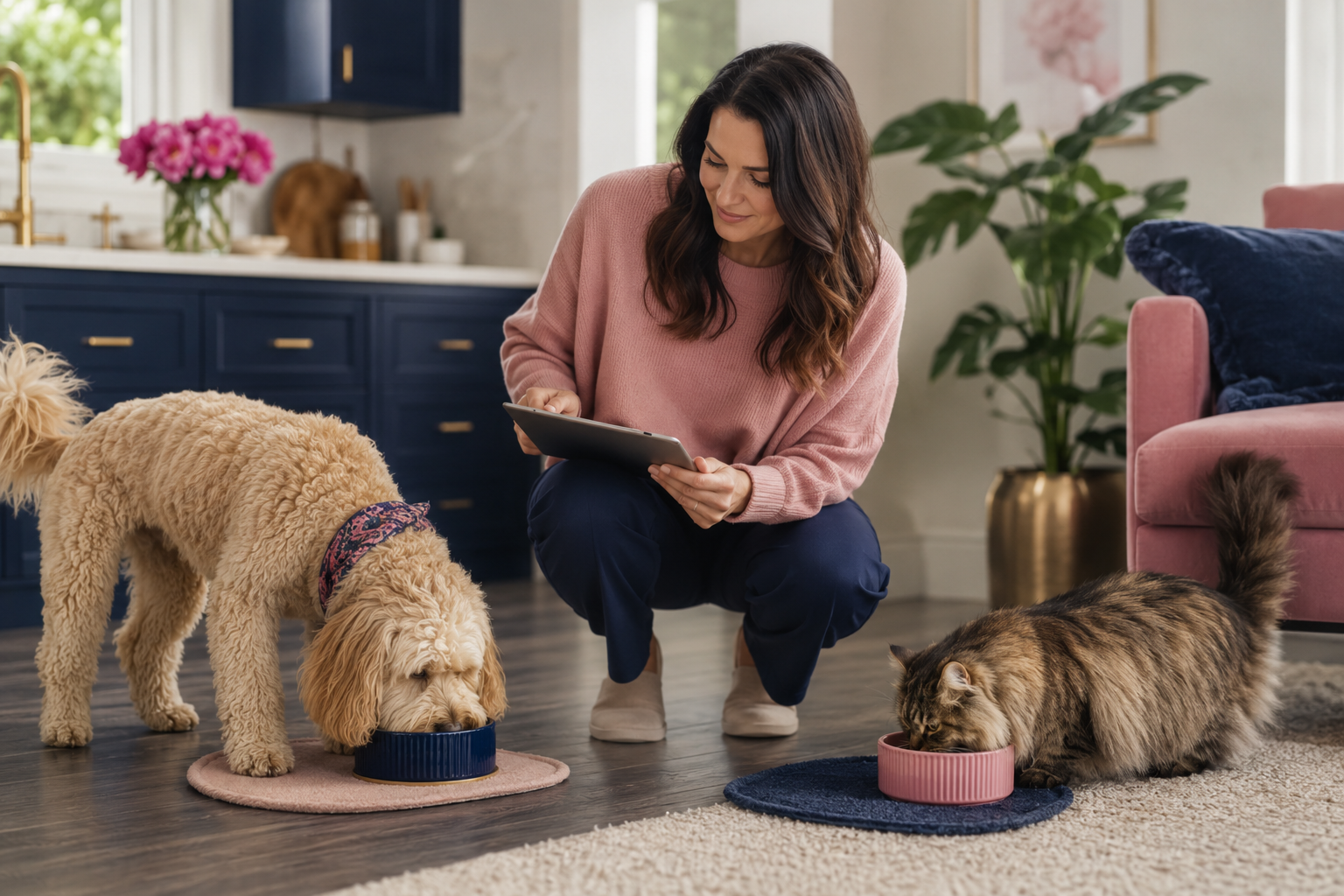
Pet care often succeeds or fails in tiny moments. A walk starts five minutes earlier. A toy appears before boredom builds. A nervous pet gets space before guests enter. These small choices matter. Still, busy owners often forget them. That is where ai tools for pet parents can help. They turn scattered intentions into repeatable habits. Better reminders support better care. More organized notes reveal what actually works. Over time, simple structure makes daily life feel easier.
Most owners do not need more guilt. They need useful structure. Real life includes late meetings, tired evenings, travel, noise, and unexpected plans. Pets still need consistency during those moments. A practical pet routine planner helps families stay organized without becoming rigid. It can support feeding notes, behavior observations, enrichment ideas, and calming routines. Owners can adjust as life changes. Pets receive steadier care. The relationship becomes more predictable.
When a pet acts out, owners often ask the wrong question first. They ask how to stop the behavior. A better question asks why it happens. Is the pet tired, hungry, scared, bored, overstimulated, or uncomfortable? Each answer leads somewhere different. Better questions prevent harsh reactions. They also reduce wasted effort. Families can focus on needs instead of blame. This mindset supports a warmer home. Pets learn faster when owners understand them better.
Consistency sounds simple until a household gets busy. One person allows jumping. Another discourages it. One person feeds treats freely. Another tries to limit them. Pets notice those differences quickly. A shared family pet behavior system helps everyone follow similar steps. It gives the household a common plan. That plan reduces confusion for pets. It also lowers frustration for people. Consistency becomes easier because it becomes visible.
Enrichment does not need to be expensive or dramatic. A cardboard box can entertain a cat. A scent game can tire a dog. A slower feeding setup can reduce restless energy. The key is choosing activities that fit the pet. Some animals love problem solving. Others prefer gentle comfort. Owners should watch reactions and adjust. Small experiments reveal preferences. Better enrichment often improves behavior naturally because it meets hidden needs.
Pets communicate constantly through movement, sound, appetite, posture, and routine changes. Humans miss many signals because they are distracted. A thoughtful AI pet care bundle can encourage more careful observation. It helps owners record what they notice. Over time, those details create a clearer picture. Families may see stress signals earlier. They may also recognize genuine progress sooner. Communication improves when attention becomes more intentional. That attention strengthens trust.
The best technology supports empathy. It should never make care feel distant. Owners still comfort, play, feed, train, and protect their pets. Digital tools simply help organize the work behind that love. They remind families to notice patterns. They encourage patience before correction. They support better questions during stressful moments. Pets benefit from calmer humans. Humans benefit from clearer routines. When used thoughtfully, structure makes affection easier to express every day.




Leave a comment