
Most families do not need a perfect training schedule. They need something they can actually repeat. Work runs late. Kids need attention. Weather changes plans. Dogs still need structure. A dog obedience routine should fit the home, not fight it. Small sessions can live inside ordinary moments. Practice can happen before meals, walks, greetings, and bedtime. Owners can make progress without clearing an entire afternoon. Practical training wins because it survives busy weeks.
Starting small protects momentum. A family can practice one command for two minutes. Then they can repeat it later with better focus. This feels manageable even on hectic days. A useful daily dog training plan helps owners avoid overloading the dog. Short practice keeps the mood positive. It also makes consistency easier. Dogs learn through repetition, not marathon sessions. Owners stay engaged because success feels reachable. Small steps create durable habits.
The home can support training or sabotage it. Busy rooms create distractions. Slippery floors may make positions uncomfortable. Open windows may trigger barking. Food smells may steal focus. Owners can improve training by changing the space first. A quiet corner often helps. A leash indoors can add gentle structure. Favorite rewards should stay nearby. Practice works better when the environment supports the goal. This setup reduces unnecessary frustration.
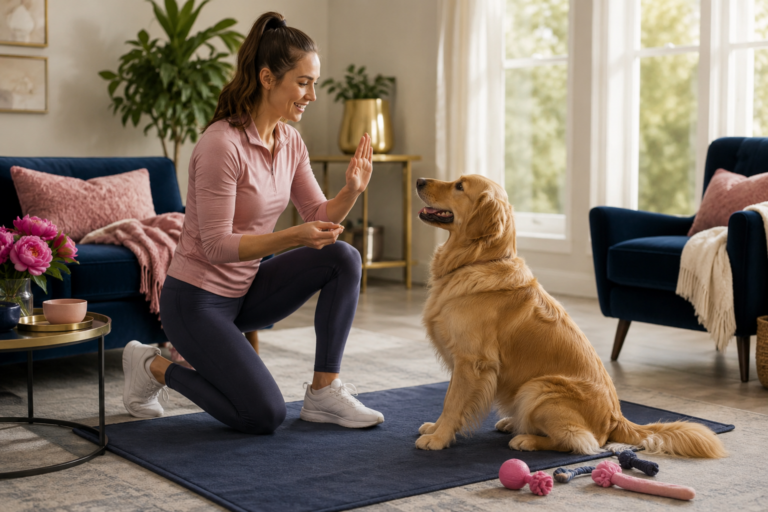
Consistency becomes easier when practice has a predictable rhythm. Dogs start recognizing familiar moments. Families also remember what to do. A clear family dog training structure can assign simple responsibilities. One person may handle morning practice. Another may reinforce evening calm. Children may help with easy cues. Everyone stays aligned. The dog receives fewer mixed signals. Training becomes part of the household culture. That shared rhythm supports better behavior.
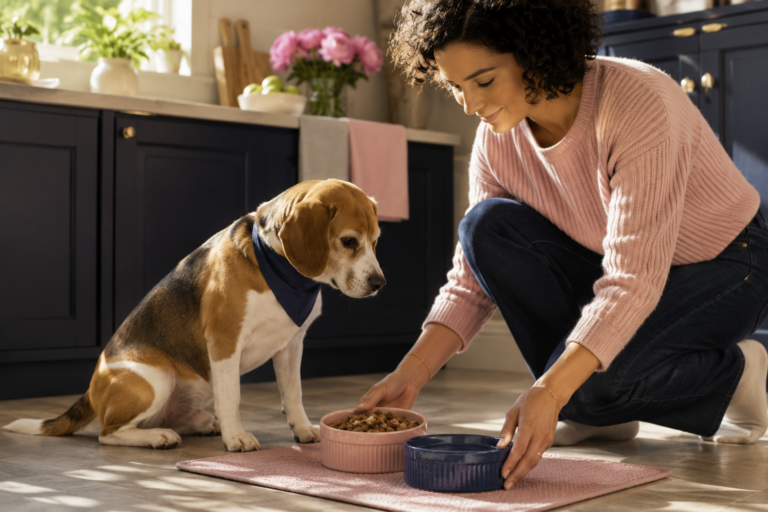
Rewards work best when they arrive immediately. Dogs connect the reward with the behavior they just offered. Late rewards can teach the wrong lesson. Owners should prepare before asking for a cue. Treats should be ready. Praise should be specific. The desired behavior should be marked clearly. This improves learning speed. It also reduces confusion. Better timing can transform an average session into a powerful one. Small details matter in obedience work.
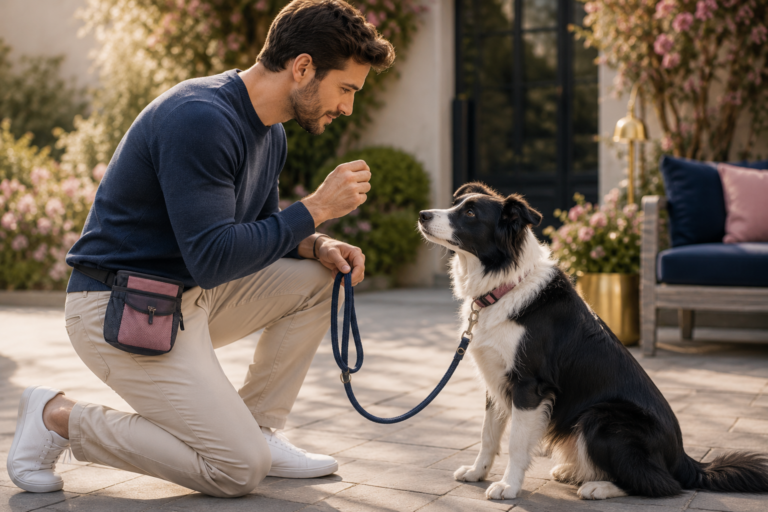
Outside practice should grow slowly. A quiet driveway comes before a busy park. A calm sidewalk comes before a crowded event. A smart real-world dog manners approach helps owners increase difficulty carefully. Dogs need success before bigger challenges. Owners should watch focus, body language, and recovery time. If the dog struggles, the setting may be too hard. Returning to easier practice is not failure. It is good training. Confidence grows through reachable wins.
Dogs change as they age. Puppies need patience and repetition. Adolescents need consistency through distraction. Adult dogs need refreshers. Senior dogs may need gentler expectations. A routine should change with the dog. Owners can review old cues in new ways. They can add enrichment when motivation drops. They can shorten sessions when energy changes. Training should feel alive, not frozen. A flexible rhythm keeps obedience useful for years.

Leave a comment