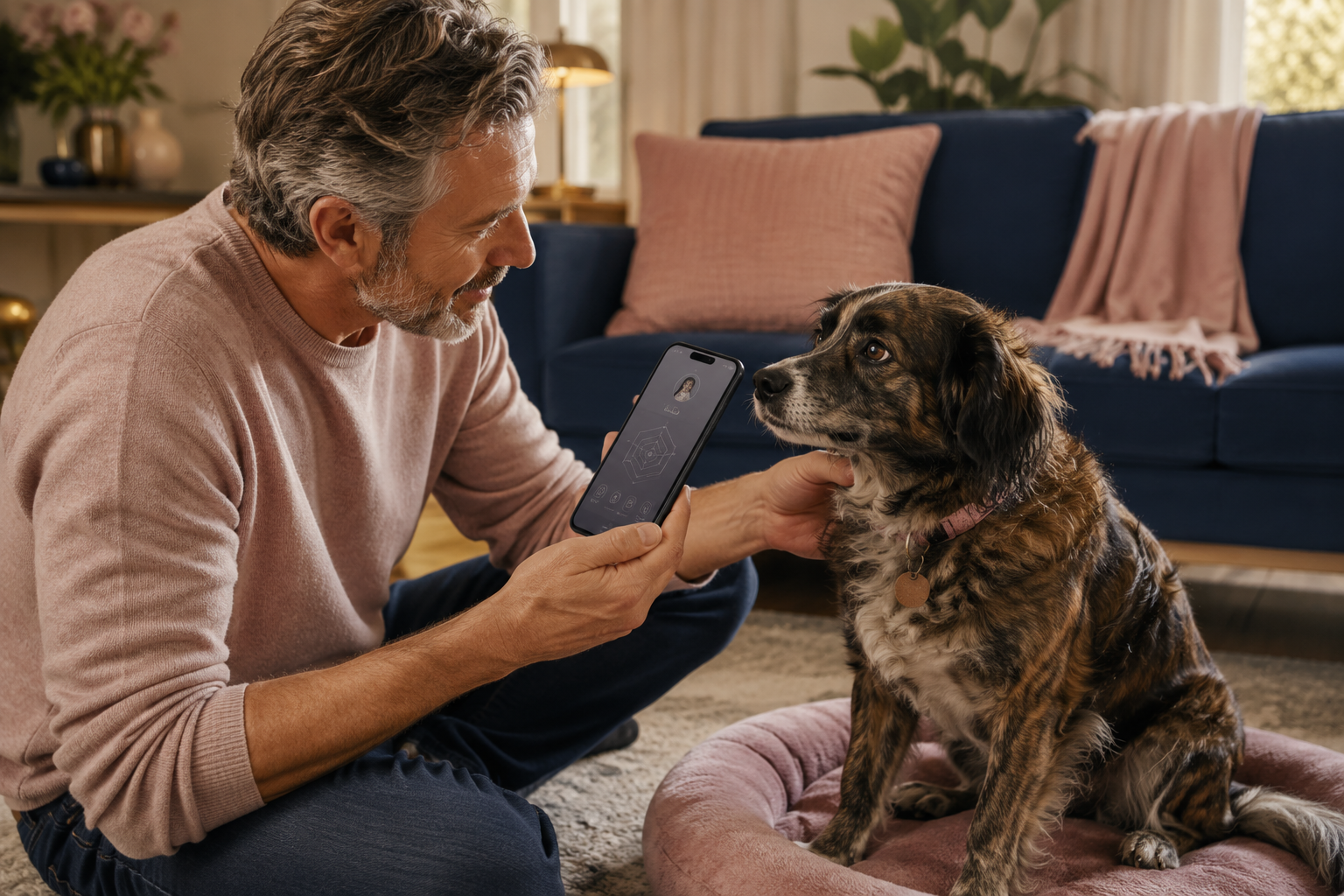
Many owners think training begins when they say sit. In reality, learning begins much earlier. The room matters. The dog’s energy matters. The reward matters. The owner’s timing matters. Well-behaved dog training works best when those pieces line up. A calm setup helps dogs understand faster. Clear expectations prevent repeated mistakes. Positive practice builds confidence instead of tension. Before the first command, the environment already teaches the dog what to expect.
Preparation makes training feel easier. A quiet room reduces distractions. Small rewards keep the dog interested. A clear goal prevents random practice. A thoughtful dog manners framework helps owners start with the right conditions. This matters because dogs learn from every detail. If the setup feels chaotic, the behavior often follows. If the setup feels calm, the dog can focus. Good preparation creates faster wins. Faster wins keep owners motivated.
Dogs repeat behaviors that work. Jumping may earn attention. Barking may create distance. Pulling may reach an exciting smell. Chewing may relieve boredom. Once owners understand the reward behind a behavior, training becomes smarter. They can teach an alternative response. They can also remove accidental reinforcement. Correction alone rarely explains the desired behavior. Motivation gives owners a better map. That map creates kinder and more effective practice.
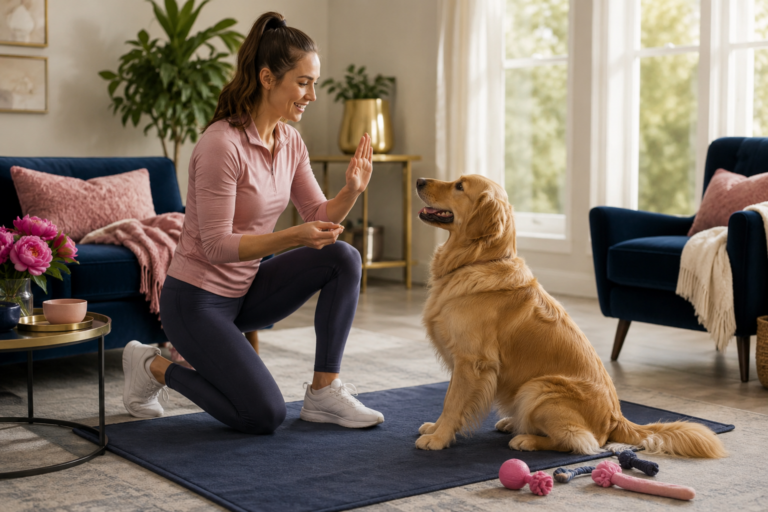
Trust grows when dogs understand what earns success. Confusing training creates anxiety. Clear training creates confidence. A supportive obedience training resource can help owners reward the exact behavior they want. Timing becomes more precise. Dogs learn which choices work. Owners become less reactive. The relationship feels safer. Training stops feeling like a battle. It becomes a shared language that both sides understand.
Families often underestimate language. One person says down. Another says off. One person says come. Another says here. The dog hears several meanings and guesses. Consistent words reduce that confusion. Simple cues work best. Short phrases also help children participate. Families should choose terms and use them carefully. They should avoid repeating commands endlessly. Clear language gives each cue power. Dogs learn faster when humans stop changing the rules.
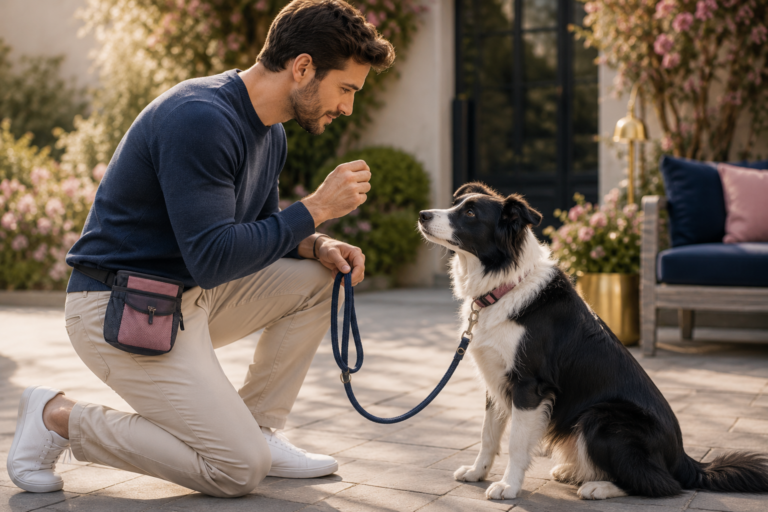
Public spaces test manners quickly. Sidewalks bring smells, strangers, dogs, bikes, and noise. A dog that behaves well at home may struggle outside. A practical leash and recall strategy helps owners build skills gradually. They can begin with low-distraction areas. Then they can add challenges slowly. This protects confidence. It also prevents owners from expecting too much too soon. Public manners grow through layers.
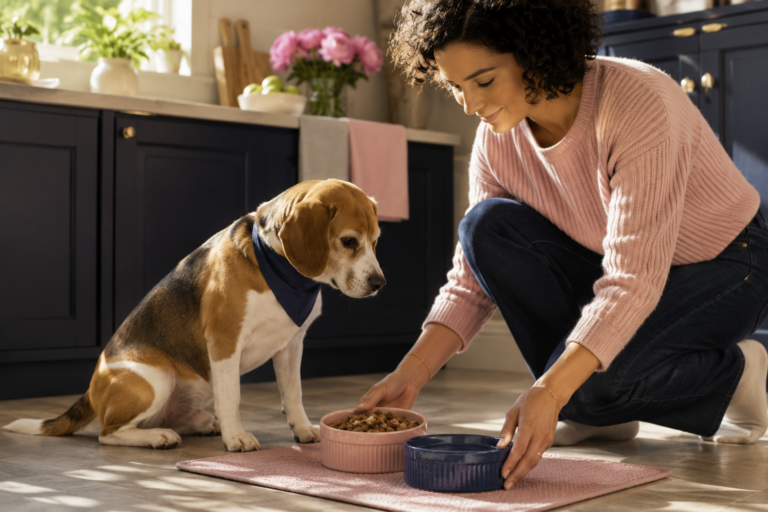
The best practice hides inside normal routines. A dog can sit before meals. They can wait before doors. They can return attention during walks. They can settle while the family eats. These moments teach manners without formal pressure. Owners save time because practice becomes integrated. Dogs enjoy learning because rewards appear throughout the day. Progress becomes natural. The household feels calmer. Good manners become a lifestyle rather than a separate project.

Leave a comment