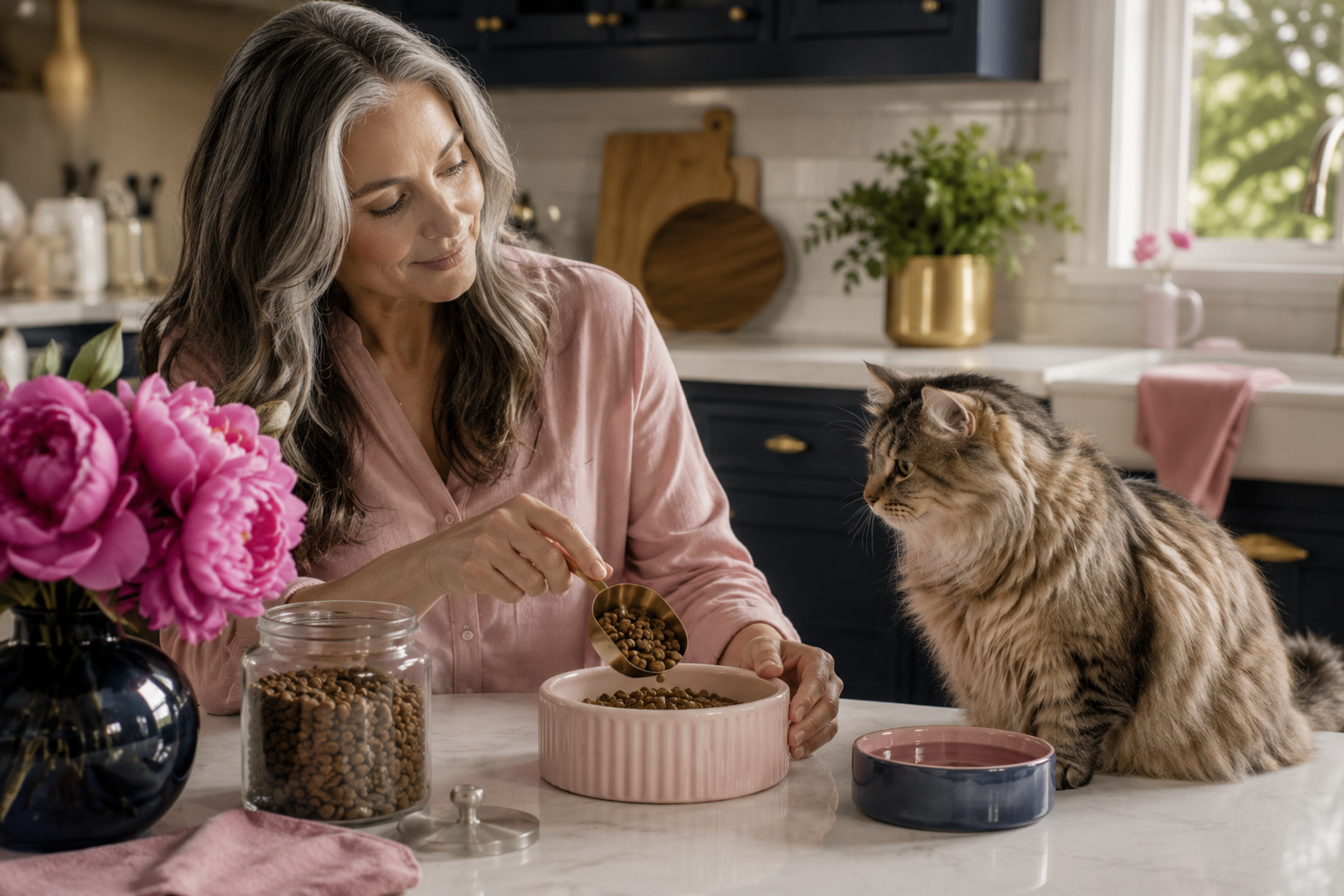
Pet advice can feel surprisingly confusing. One article says ignore barking. Another recommends more exercise. A third blames dominance, boredom, or poor boundaries. Many owners feel lost between conflicting suggestions. That is why pet behavior help with ai can feel more personal. It encourages owners to look at their own pet first. Context becomes more important than trends. The home, routine, age, breed, history, and emotional state all matter. Better questions create better answers. Personalized observation changes the entire experience.
Generic advice often skips the most important details. A young dog in an apartment differs from a senior dog in a quiet home. A newly adopted cat needs different support than a confident kitten. Family schedules also matter more than people expect. The right behavior tracking method helps owners connect daily life with pet reactions. It makes context visible. That visibility reduces blame. Owners begin asking more useful questions. Pets become easier to understand. Solutions feel less random.
Small notes can reveal surprising connections. A dog may bark more after skipped walks. A cat may hide when visitors arrive. A puppy may chew most often before dinner. These patterns seem obvious only after owners collect them. Without notes, every incident feels separate. With notes, behavior becomes a story. That story usually has causes, rhythms, and warning signs. Owners can respond earlier. Pets benefit because support arrives before frustration peaks.
Guesswork exhausts pet parents. It also creates inconsistent responses. One day an owner comforts. Another day they scold. A third day they ignore the same behavior. Pets become confused when reactions shift too much. A structured smart pet care resource encourages steadier decisions. It helps owners compare similar moments. It also makes emotional reactions less automatic. The result is not cold or robotic. It is calmer, kinder, and more consistent.
Digital support should never replace veterinary or behavioral expertise when serious concerns appear. Pain, aggression, sudden personality shifts, or extreme fear deserve professional attention. Still, many everyday challenges improve with better structure. Owners can prepare clearer notes before appointments. They can explain frequency, triggers, and routine changes. Professionals benefit from those details. Pets benefit because the conversation becomes more precise. Home support and expert care can work together. That partnership often creates better outcomes.
Families need tools that fit real schedules. Nobody wants a complicated system after a long day. Pet care works best when routines feel simple. A few focused prompts can help owners reflect quickly. A weekly review can reveal progress. The modern pet parenting toolkit approach makes support easier to repeat. Children and adults can notice patterns together. Everyone learns the same language. That shared understanding reduces mixed signals.
Long-term calm grows through consistency. Pets need repeated signals before they trust new routines. Owners need encouragement when progress feels slow. A structured system helps both sides. It shows improvement that might otherwise go unnoticed. Fewer reactions count. Faster recovery counts. Softer body language counts. Better sleep counts. When families see these signs, they stay motivated. Personal support becomes less about quick fixes and more about lasting trust.



Leave a comment